Immigration Intelligence.
Master the Canadian immigration process with verified guides, consultant insights, and real-case breakdowns. Exclusively on Verixa.

2025 Parents and Grandparents Program: Key Changes and Application Process
In 2025, IRCC will invite potential sponsors from the 2020 pool for the Parents and Grandparents Program. This avoids opening new forms and utilizes technology for smoother application processes. Understand how this intake differs, the application steps, and alternatives like the super visa for those not selected.

Update on CIP Codes for Post-Graduation Work Permits in 2025
The article details recent updates to the eligible CIP codes impacting post-graduation work permits (PGWP) in Canada, emphasizing changes made on July 4, 2025. These changes reinstate certain fields of study and address Canada's labor market needs. The adjustments influence international students' eligibility based on their chosen fields, which must align with jobs experiencing long-term shortages.

Diverse and Inclusive: New Selection Process for Canadian Immigration Consultants Board Unveiled
Immigration, Refugees and Citizenship Canada has launched a new selection process designed to diversify and enrich the board of the College of Immigration and Citizenship Consultants. With a focus on diversity, transparency, and merit, this initiative underscores Canada's commitment to maintaining high governance standards while reflecting societal diversity in regulatory bodies. The College, responsible for regulating immigration and citizenship consultants, aims to strengthen the integrity of Canada's immigration consultancy field.
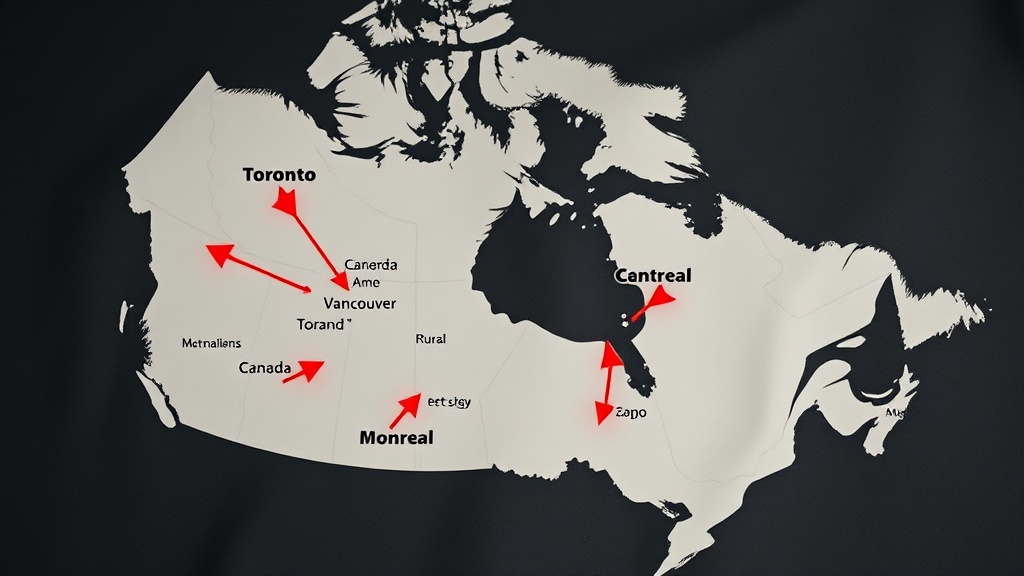
Understanding the Exclusion of Major Canadian Cities from the New TR to PR Pathway
This article examines the Canadian government's decision to exclude major cities like Toronto, Vancouver, and Montreal from the new Temporary Resident to Permanent Resident (TR to PR) Pathway. It discusses the shift in focus towards rural communities and the potential impact on temporary workers in urban areas.
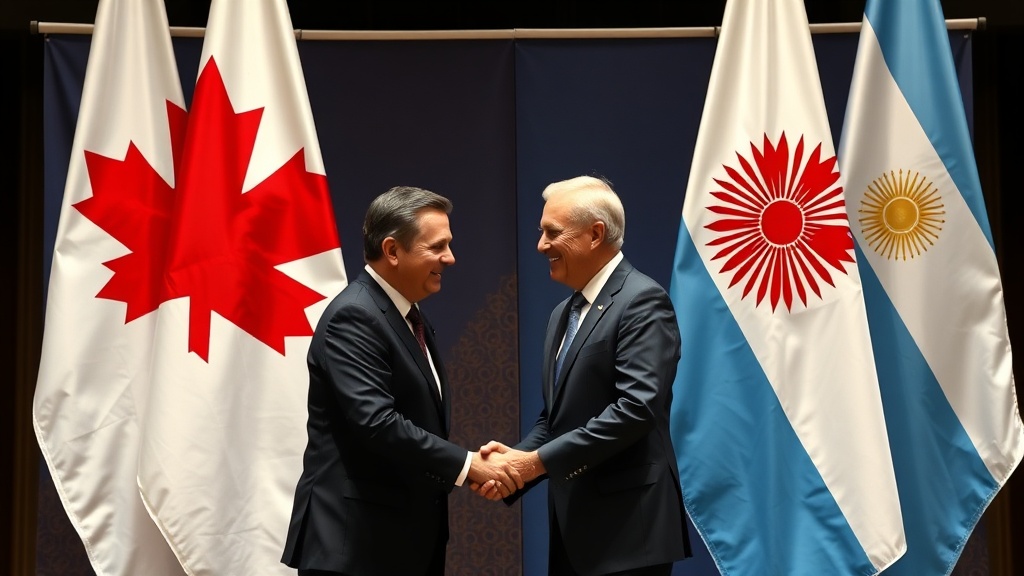
Canada-Argentina Trade Talks: Paving the Way for a Mercosur Free Trade Agreement
The Honourable Maninder Sidhu, Canada's Minister of International Trade, recently engaged in discussions with Pablo Quirno Magrane, Argentina’s Minister of Foreign Affairs, to advance a free trade agreement with the Mercosur bloc. This engagement promises significant benefits to vital sectors like critical minerals and energy.

New LMIA Regulations: Doubling Advertising Durations & Focusing on Youth Employment
Explore the updates to Canada's Labour Market Impact Assessment (LMIA) for the low-wage stream, where new regulations double the required advertising period and emphasize recruitment efforts focused on youth. Uncover the implications for employers and potential opportunities for young job seekers.

Extended Pause on Refugee Sponsorship Applications for Groups of Five and Community Sponsors Until 2026
The Canadian government has extended the pause on accepting new refugee sponsorship applications from groups of five and community sponsors, lasting until December 31, 2026. This decision aims to manage the existing backlog of applications and streamline the Private Sponsorship of Refugees (PSR) program. Despite the pause, Canada continues its efforts to admit refugees in accordance with the 2026–2028 Immigration Levels Plan, assuring progress in the sponsorship community.

Exploring Canada's New Nature Strategy Unveiled at Rouge National Urban Park
The Honourable Gary Anandasangaree will present Canada’s latest environmental initiative, 'A Force of Nature: Canada’s Strategy to Protect Nature,' at Rouge National Urban Park. The strategy emphasizes the intersection of ecological restoration and Indigenous collaboration, marking a significant investment in protected areas. This event aligns with Canada's broader commitment to environmental sustainability, offering insights into future conservation modes.

Major Express Entry Draw Invites Thousands of CEC Candidates in March Finale
In the final Express Entry draw of March 2026, Immigration, Refugees and Citizenship Canada issued 2,250 Invitations to Apply (ITAs) to Canadian Experience Class (CEC) candidates with a minimum CRS score of 509. This draw highlights the emphasis on candidates possessing Canadian work experience, aligning with the 2026 strategy of prioritizing skilled domestic talent. This significant event is part of a broader pattern of targeting specific immigration categories in response to Canada's economic needs.