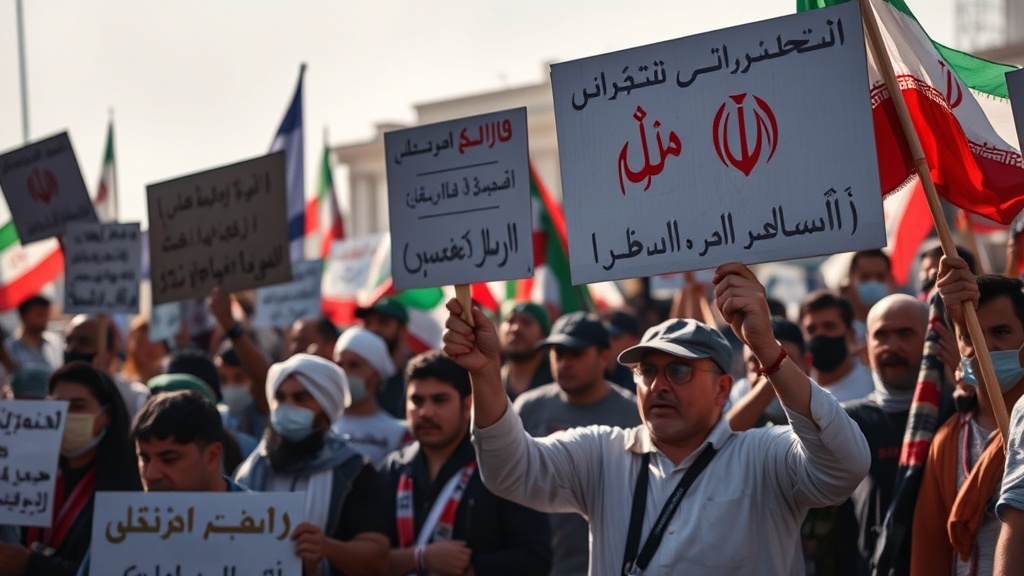
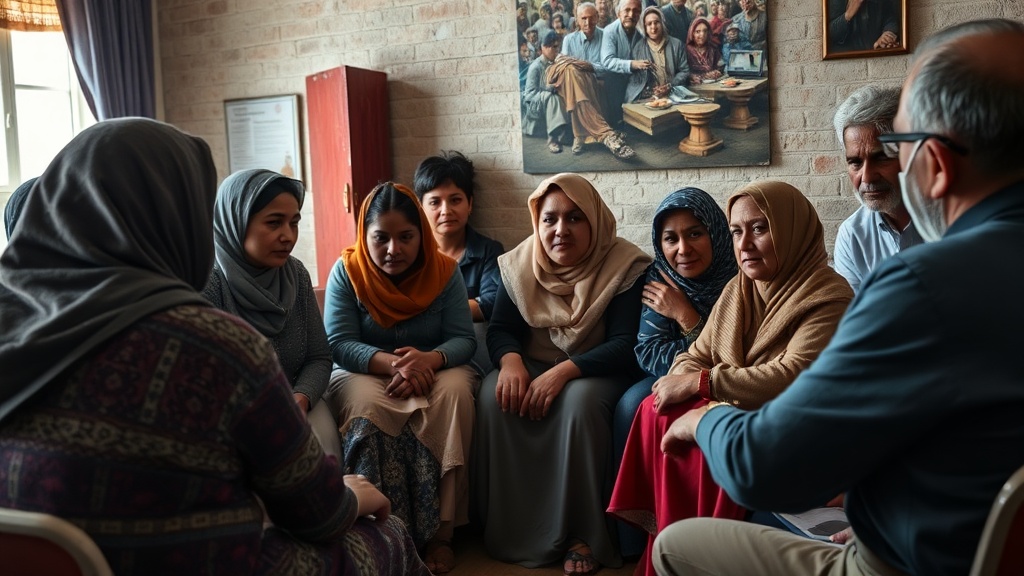
Direct Answer: Eligible Iranian nationals who received negative asylum decisions between December 2024 and December 2025 are now allowed to reapply for a pre-removal risk assessment, highlighting Canada's response to escalating tensions and deteriorating human rights in Iran.
The recent changes announced by Immigration, Refugees and Citizenship Canada (IRCC) focus on the tense circumstances resulting from increased hostilities between Israel and Iran. In response, the IRCC has recognized the deteriorating human rights conditions and taken decisive action. Iranian nationals who faced final negative asylum decisions between December 20, 2024, and December 19, 2025, can now apply for a new pre-removal risk assessment (PRRA). Importantly, IRCC has waived the usual 12-month waiting period, allowing for a faster response to these urgent humanitarian challenges.
Eligibility Table
| Eligibility Criteria | Details |
|---|
| Date of Negative Decision | Between Dec 20, 2024, and Dec 19, 2025 |
| Usual Waiting Period | Waived due to escalations in Iran |
| Reassessment Context | Acceptance could prevent return to potential harm |
A successful PRRA application means an individual will not be forcibly returned to Iran if they can demonstrate risks such as persecution, torture, or severe harm. Under normal conditions, individuals must wait 12 months after a negative asylum verdict before applying for a PRRA. This new provision underlines the impact of sudden changes and is tailored to adjust to the volatile geopolitical landscape of Iran.
Verixa Intelligence Analysis:
Strategic Implications: This policy shift by Canada demonstrates its commitment to refugee protection and humanitarian principles amid rising global tensions. As political instability and conflict increase in regions like Iran, the ability to adapt asylum and removal processes becomes vital to uphold international human rights standards. The Canadian government, by recognizing rapid shifts in geopolitical conditions, sets a precedent for responsive immigration policy aimed at protection and legal adaptability. Such policies not only reflect moral responsibilities but also influence international diplomacy and sheltering practices.
Note: This analysis is for strategic guidance and does not constitute legal advice.
Individuals facing removal for serious inadmissibility or previous exclusion from refugee protection may be considered only for a restricted PRRA. Anyone receiving a negative decision post-December 19, 2025, must adhere to the standard 12-month waiting period, as current conditions would have already been evaluated.
If you require personalized guidance on your situation, consider scheduling a consultation with a Regulated Canadian Immigration Consultant (RCIC) on Verixa.
This intelligence briefing was automatically generated. The original press release was published on 2025-12-19 by IRCC Notices and can be verified here.