Immigration Intelligence.
Master the Canadian immigration process with verified guides, consultant insights, and real-case breakdowns. Exclusively on Verixa.

Navigating the Agri-Food Pilot's 2025 Application Cap: What It Means for Aspiring Permanent Residents
The article sheds light on the recent announcement by IRCC to cap applications under the Agri-Food Pilot at 1,010, marking the final stages of this influential program. It explores the implications for agri-food workers seeking permanent residency and evaluates alternatives given the demand and upcoming expiration in May 2025.

Understanding the New Canada Permanent Resident Absorption Index and Its Implications
An examination of the new Canada Permanent Resident Absorption Index, revealing that federal immigration targets exceed provinces' capacities to absorb newcomers under current economic conditions. The analysis provides in-depth understanding of regional stabilizing thresholds and benchmarks.

Navigating the New Digital Shift: Key Changes to the OCI Process for Indians in Canada
The Indian government's 2026 update to the Overseas Citizenship of India (OCI) rules heralds a significant digital transition impacting Canadians of Indian descent. This article delves into the electronic submission requirements, introduction of e-OCI cards, and the broader implications for maintaining ties to India.

Unlocking Opportunities: Navigating the Newfoundland and Labrador Provincial Nominee Program (NLPNP)
This comprehensive guide provides aspiring immigrants with detailed insights into the Newfoundland and Labrador Provincial Nominee Program (NLPNP), highlighting the fast-track options available through various streams. Learn how the NLPNP, along with the Atlantic Immigration Pilot, can be your gateway to Canadian permanent residency.

New BC Pathway to PR for Health Support Staff: A Rare Opportunity
BC's Provincial Nominee Program has launched a limited-time initiative that allows health authority cleaners and security staff in rural areas to apply for permanent residence. This initiative, part of the BC PNP's broader "Care" priority, opens June 2026.
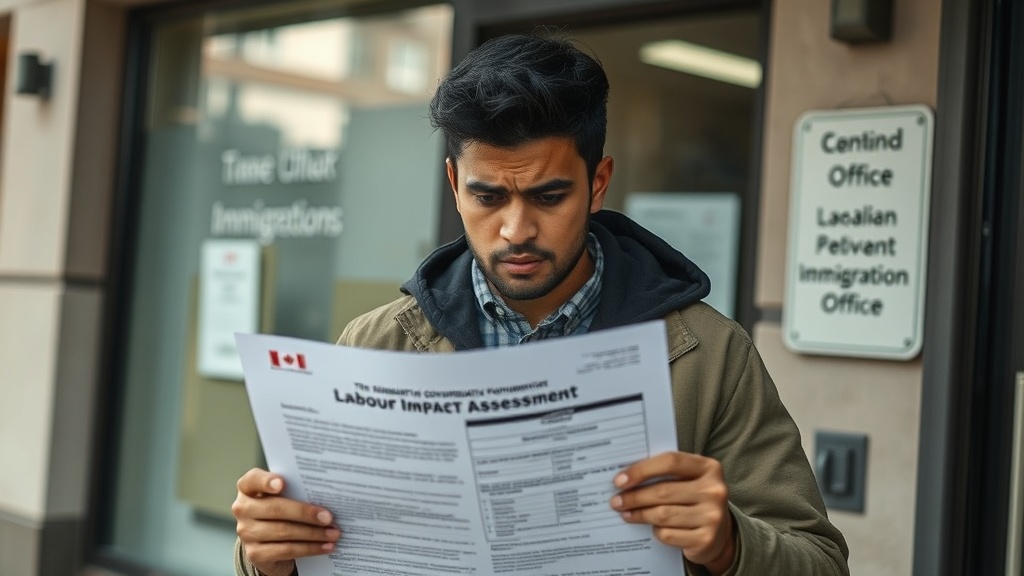
Understanding the Refusal to Process Labour Market Impact Assessment Applications: Key Conditions Explored
Explore the regulatory and public policy conditions leading to the refusal of Labour Market Impact Assessment applications in Canada. This guide uncovers key reasons like employer ineligibility, caps on low-wage positions, and geographic unemployment rates, providing essential insights for temporary foreign workers.

Navigate Canada's Work Market Without LMIA: Understanding the International Mobility Program
This article demystifies the International Mobility Program, allowing foreign workers to understand how they can work in Canada without a Labour Market Impact Assessment (LMIA). Explore pathways under the Significant Benefit, Entrepreneurs, Intra-Company Transferees, and other LMIA-exempt categories, clarifying opportunities for reciprocity, charitable work, and more.

Mastering the LMIA Process: A Guide for Canadian Employers
This SEO-optimized article serves as a comprehensive guide for Canadian employers looking to navigate the Labour Market Impact Assessment (LMIA) process. It includes key details on high-wage and low-wage application procedures, recent freezing in certain areas, expedited processing categories, advertising requirements, and specific LMIA exemptions applicable to Quebec. The guide also highlights how the Cohen Immigration Law Firm can assist employers in the process.

How to Secure a Work Permit in Canada: A Comprehensive Guide for Newcomers
This article provides a clear and detailed guide on how most foreign nationals can obtain a work permit to work in Canada. It covers the two main categories: those needing a Labour Market Impact Assessment (LMIA) and those exempt from it. Essential steps, legal insights, and the importance of hiring licensed RCICs to avoid immigration fraud are discussed, alongside a direct call to action for consulting professional immigration experts.