Back to Blog
UPDATES POLICYMay 30, 20263 min read

Increased Automation in Visa Processing Contributes to Federal Court Backlog

The article explores how the rise in automation within immigration visa processing is contributing to a backlog in Canada's Federal Court cases. With cases more than quadrupling since 2020, insights from immigration lawyers suggest that increased system automation is playing a significant role in this surge.

Increased Automation in Visa Processing Contributes to Federal Court Backlog
V

Need personalized help? Skip the research and connect directly with a licensed RCIC expert on Verixa. Find your consultant →

Automation's Role in Canada's Federal Court Backlog

Direct Answer Summary

Immigration cases at Canada's Federal Court have soared, with cases more than quadrupling since 2020. Immigration lawyers suggest that increased automation in visa processing is a significant factor behind the rising numbers, affecting the quality of decision-making and contributing to the court backlog.

Statistical Surge and Automation Influence

YearNumber of Federal Court Cases
20206,400
20219,700
2025Over 28,000
Q1 2026Over 6,600

Cases in the Federal Court have increased drastically, particularly since the incorporation of more automated processes in visa processing. These statistics highlight a critical trend linking automation with surging legal challenges.

Verixa Intelligence Analysis: The dramatic increase in immigration cases reflects challenges in integrating technology with immigration decision-making processes. While aiming to speed up processing times, automation may inadvertently reduce the thoroughness of application reviews, resulting in more cases being contested in court. As the system continues to evolve, it's essential to strike a balance between efficiency and accuracy to prevent further legal entanglements and resource misallocation within the judiciary.

Continued reliance on automation without sufficient oversight could compromise the integrity of immigration decisions, pushing more inadequate cases into the litigation pipeline. Given these dynamics, stakeholders should assess the implications and explore adaptive AI solutions that enhance human oversight. Note: This analysis is for strategic guidance and does not constitute legal advice.

Navigating the Agri-Food Pilot's 2025 Application Cap: What It Means for Aspiring Permanent Residents
Related Insight

Navigating the Agri-Food Pilot's 2025 Application Cap: What It Means for Aspiring Permanent Residents

The article sheds light on the recent announcement by IRCC to cap applications under the Agri-Food Pilot at 1,010, marking the final stages of this influential program. It explores the implications for agri-food workers seeking permanent residency and evaluates alternatives given the demand and upcoming expiration in May 2025.

Continue Reading

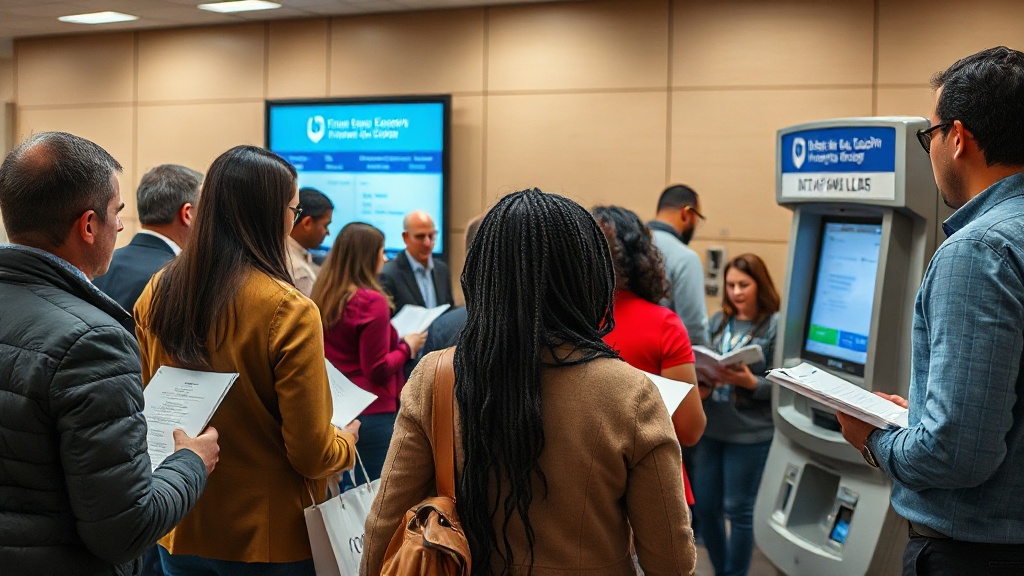
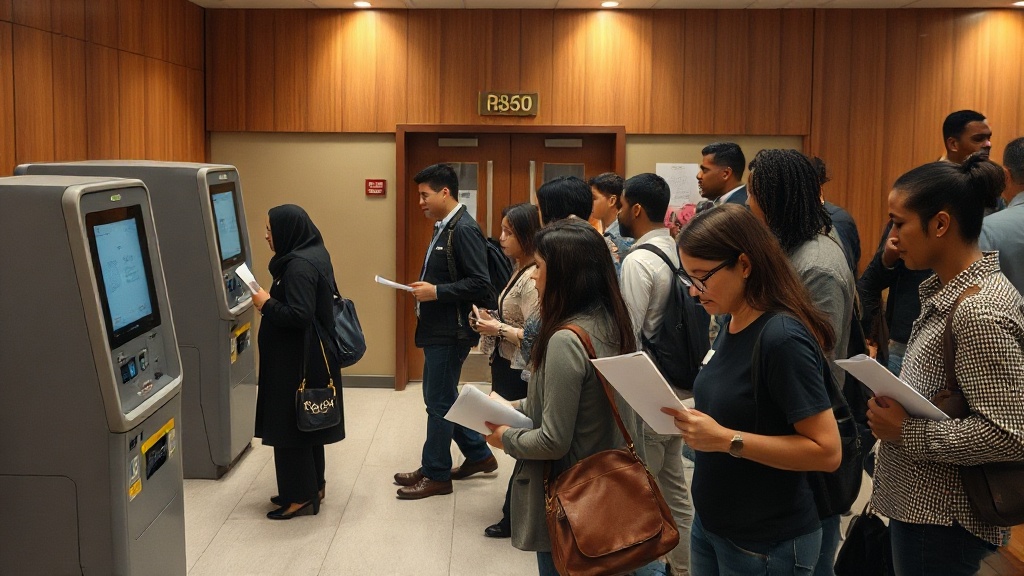
A photo highlighting a busy Canadian Federal Court with a diverse group of people, legal documents in hand, facing an automated processing kiosk, symbolizing the intersection of technology and immigration law.

Technology Under Scrutiny

Jacqueline Bonisteel, an Ottawa-based immigration lawyer, underscores that the government's emphasis on automation in expediting visa applications compromises decision quality. Previously, decision rejections contained detailed reasoning, reflecting a hands-on approach. However, the current system often generates standardized responses that fail to engage with individual case specifics.

Ministerial officials maintain that AI assists in supportive tasks and that human oversight is always present. The AI tools are intended to streamline application assessments and recommendations without directly making or refusing decisions.

The Chinook Conundrum

Chinook, a tool described as a Microsoft Excel-based program, was introduced to organize client information visually. Lawyers claim it lacks AI capabilities and fails to address application nuances, leading to premature court escalations.

Andrew Koltun, an immigration lawyer, illustrates this with an Afghan refugee's case that suffered from repetitive errors, prolonging the judicial process. Such examples suggest that while AI technology advances, its execution may inadvertently redirect backlogs into the judicial system.

Consult with an RCIC at Verixa today to navigate your immigration needs efficiently.


This intelligence briefing was automatically generated. The original press release was published on 2026-05-30 by Global News and can be verified here.

Frequently Asked Questions

What is causing the increase in immigration cases at Federal Court?

The increase is largely attributed to the automation of visa processing, leading to more decision inaccuracies and subsequent legal challenges.

How has automation in visa processing affected legal cases in Canada?

Automation has reportedly reduced the quality of application reviews, which in turn has escalated cases to be contested in court due to errors in decisions.

What are immigration lawyers saying about the current court backlog?

Lawyers express concerns over the inadequate consideration of evidence in applications, attributing this to automated processing and its implications for immigration case quality.