Back to Blog
IMMIGRATION GUIDESJanuary 3, 20254 min read

Navigating the Agri-Food Pilot's 2025 Application Cap: What It Means for Aspiring Permanent Residents

The article sheds light on the recent announcement by IRCC to cap applications under the Agri-Food Pilot at 1,010, marking the final stages of this influential program. It explores the implications for agri-food workers seeking permanent residency and evaluates alternatives given the demand and upcoming expiration in May 2025.

Navigating the Agri-Food Pilot's 2025 Application Cap: What It Means for Aspiring Permanent Residents
V

Need personalized help? Skip the research and connect directly with a licensed RCIC expert on Verixa. Find your consultant →

Summary: What Does the Agri-Food Pilot's 2025 Application Cap Mean?

The recent announcement by Immigration, Refugees and Citizenship Canada (IRCC) introduces a cap of 1,010 applications for permanent residence under the Agri-Food Pilot, set to conclude by May 2025. This change reflects the growing demand and offers critical insights for agri-food workers considering immigration prospects in Canada.

Impact of the Agri-Food Pilot: Historical and Current Context

Since its inception in 2020, the Agri-Food Pilot has been pivotal in addressing labor shortages within Canada's agriculture sector. This innovative program enabled over 4,500 agri-food workers and their families to gain permanent residency, underscoring its success and essential role. In 2024 alone, nearly 1,775 individuals became permanent residents, demonstrating the program's high demand and effectiveness.

Verixa Intelligence Analysis:
The imposition of the application cap at 1,010 signifies a strategic pivot for Canada's immigration policies towards equilibrium between labor market demand and immigration inflow under the Agri-Food Pilot. As labor needs persist in essential sectors such as agriculture, this cap reflects systematic planning aligned with Canada's broader Immigration Levels Plan 2025-2027.
With the pilot entering its final phases, stakeholders are urged to prioritize application submissions well ahead of the May 2025 expiration. This creates a pivotal moment for potential applicants, heightening the need for speed and precision in application processes. Exploring alternative immigration options becomes crucial, especially for those unable to apply before the cap limit is met. Options like Express Entry, Provincial Nominee Programs, and the newly introduced Rural and Francophone Community Immigration Pilots offer viable pathways.
Note: This analysis is for strategic guidance and does not constitute legal advice.


Understanding the Current Trends in IRCC Processing Times: April 2026 Update
Related Insight

Understanding the Current Trends in IRCC Processing Times: April 2026 Update

The latest update from IRCC on April 7, 2026, reveals significant fluctuations in processing times for Canadian immigration applications. Notably, citizenship grant times have improved, while Quebec family sponsorship categories face increased wait times. This briefing provides a detailed breakdown of these changes, exploring implications for potential immigrants.

Continue Reading

Key Details of the 2025 Agri-Food Pilot Cap

DetailsDescription
2025 Application Cap1,010 applications
Program Expiration DateMay 14, 2025
Total Permanent Residents Since 2020Over 4,500 (including workers and family members)
Permanent Residents in 2024Under the pilot, approximately 1,775 individuals gained residency by end of November 2024

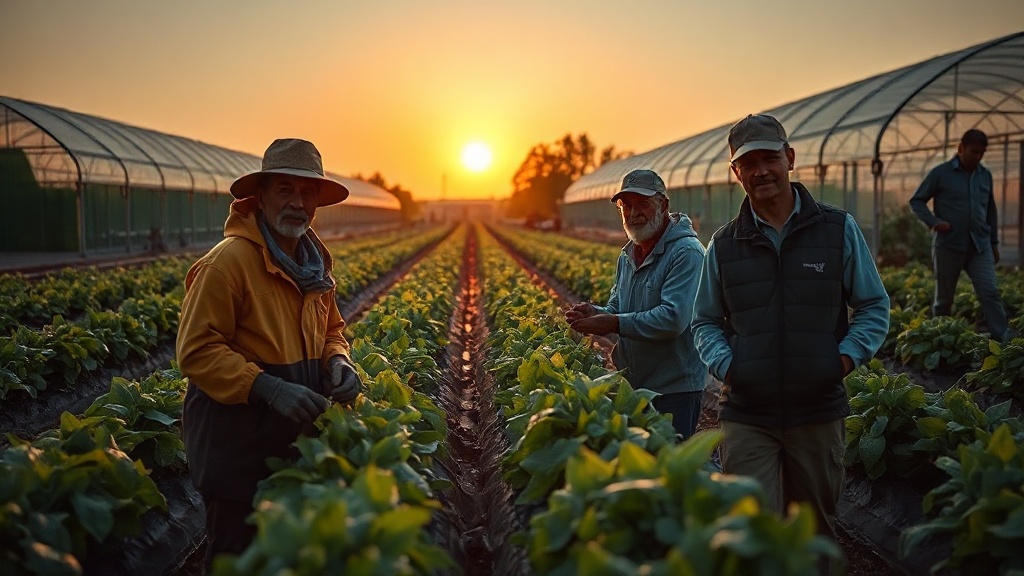
Capture a high-resolution image of a diverse group of agri-food workers in Canada, working in fields and greenhouses at sunrise, symbolizing their essential role in the economy.

Exploring Alternatives: Other Immigration Pathways for Agri-Food Workers

With the Agri-Food Pilot reaching its conclusion, agri-food workers must consider alternative immigration routes. Canada offers several federal and regional programs, such as:

  • Express Entry: Targets high-skilled workers offering a pathway based on comprehensive ranking.
  • Provincial Nominee Programs (PNP): Tailored programs catering to specific provincial labor needs.
  • Atlantic Immigration Program: Aimed at boosting economic growth in Atlantic provinces.
  • Rural and Francophone Community Immigration Pilots: Recent initiatives focusing on specific communities needing additional labor support.

Your Pathway Begins Here: To master the Agri-Food Pilot or explore alternative routes, consult with a Regulated Canadian Immigration Consultant (RCIC) at Verixa today.


This intelligence briefing was automatically generated. The original press release was published on 2025-01-03 by IRCC Notices and can be verified here.

Frequently Asked Questions

What is the Agri-Food Pilot and who is eligible?

The Agri-Food Pilot is an economic immigration initiative designed to attract experienced agri-food workers to become permanent residents. Eligibility requires relevant work experience, usually within Canada's agri-food sector.

Why has IRCC placed a cap on the Agri-Food Pilot applications?

Demand for this program has consistently outpaced the availability of spaces, necessitating a cap to align with the Immigration Levels Plan for 2025-2027. This ensures resource allocation matches Canada’s strategic labor market needs.

What are the alternative immigration pathways for agri-food workers in Canada?

Agri-food workers can consider diverse pathways such as Express Entry, Provincial Nominee Programs, the Atlantic Immigration Program, and the newly introduced Rural and Francophone Community Immigration Pilots.