Immigration Intelligence.
Master the Canadian immigration process with verified guides, consultant insights, and real-case breakdowns. Exclusively on Verixa.

End of Student Direct Stream and Nigeria Student Express: What it Means for Prospective Students
With the end of the Student Direct Stream and Nigeria Student Express, Canada reshapes its approach to international study permits. Learn how this change affects current and future applicants, and what remains constant in the study permit application process.

Strategic Shifts in Canada's 2025-2027 Immigration Levels Plan Revealed
The IRCC has unveiled the 2025-2027 Immigration Levels Plan outlining new targets for both temporary and permanent residents, aiming to align immigration levels with economic and community capacities. Key changes include setting targets for international students and temporary foreign workers and a projected decline in permanent resident admissions over three years.

Canadian Ministers Emphasize Rural Economic Growth and Development in PEI Meeting
Federal, provincial, and territorial ministers responsible for rural development met in Prince Edward Island to discuss ways to strengthen collaboration across rural, remote, and Indigenous communities. They reviewed challenges such as workforce retention and infrastructure needs while exploring sustainable economic growth strategies.

New Penalties for Immigration Representatives Breaking the Law: What to Know Before 2025
Immigration, Refugees, and Citizenship Canada (IRCC) is set to implement new regulations in 2025, imposing heavy penalties on paid immigration representatives who violate laws during application processes. These regulations include fines of up to $1.5 million and public disclosures for unauthorized and authorized representatives alike, aiming to deter fraud and strengthen national border security.

IRCC Alters Open Work Permits: Impact on Families of Temporary Residents
The Government of Canada is implementing new rules for open work permits (OWP) for family members of temporary residents starting January 21, 2025. Spouses of certain international students and foreign workers in specified occupations will be eligible, while dependent children are excluded. The article explores the implications on labor market dynamics and family migration.
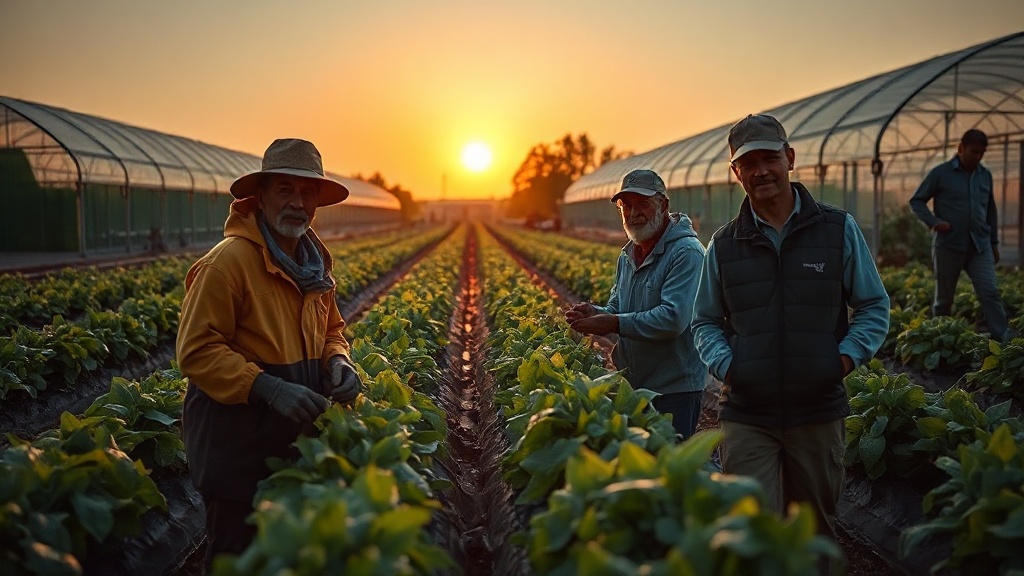
Navigating the Agri-Food Pilot's 2025 Application Cap: What It Means for Aspiring Permanent Residents
The article sheds light on the recent announcement by IRCC to cap applications under the Agri-Food Pilot at 1,010, marking the final stages of this influential program. It explores the implications for agri-food workers seeking permanent residency and evaluates alternatives given the demand and upcoming expiration in May 2025.

Increased Automation in Visa Processing Contributes to Federal Court Backlog
The article explores how the rise in automation within immigration visa processing is contributing to a backlog in Canada's Federal Court cases. With cases more than quadrupling since 2020, insights from immigration lawyers suggest that increased system automation is playing a significant role in this surge.

Upcoming CRA Benefit Payments for Canadians: What to Expect in June 2026
Discover the significant upcoming CRA benefit payments slated for June 2026, including a GST/HST credit top-up as Canada transitions to the new Groceries and Essentials Benefit. Learn how these payments will affect Canadians across various provinces and what to expect in terms of eligibility and benefit maximization.

Exploring the Opportunities of the Canada Strong Pass: Free Summer Adventures Await
The Canada Strong Pass offers free entry to national parks and discounts on travel and accommodations, promoting affordable access to Canada's natural and cultural heritage for summer 2026.