Immigration Intelligence.
Master the Canadian immigration process with verified guides, consultant insights, and real-case breakdowns. Exclusively on Verixa.

End of Temporary Public Policy for TRV Processing: What It Means for Travelers to Canada
On December 15, 2023, Immigration, Refugees and Citizenship Canada (IRCC) announced the end of a temporary public policy initially enacted to accelerate the processing of temporary resident visas (TRVs). Implemented on February 28, 2023, to address COVID-19 pandemic-related backlogs, the policy’s success in reducing processing times is acknowledged, but its conclusion prompts a focus on IRCC's future plans to manage visa inventories efficiently.

Canada Extends Support for Iranian Temporary Residents Amid Political Unrest
In response to the ongoing political unrest in Iran, Canada has extended its special measures supporting Iranian nationals holding temporary resident status in Canada. These measures, initially introduced to aid victims of government crackdowns, have been extended to February 28, 2025, allowing Iranian residents to apply for status extensions at no cost. Additionally, the Canadian government provides free travel documentation to Canadians residing in Iran. The article explores the implications and benefits of these measures for affected individuals.

Navigating the New International Student Program Reforms: What They Mean for Study Permit Applicants
The Canadian government has introduced major reforms to the International Student Program effective early 2024. These changes, including a cap on study permit applications and new requirements for obtaining a provincial attestation letter, aim to ensure sustainable program growth. Additionally, reforms to the Post-Graduation Work Permit (PGWP) provide enhanced opportunities for master's degree students. This article provides an in-depth look at these new measures and their implications for international students in Canada.

Canada Opens Permanent Residence Pathway for Former Minors in Protective Care
Immigration, Refugees and Citizenship Canada (IRCC) has introduced a new public policy offering a permanent residence pathway for individuals who arrived in Canada as minors and were placed in protective care but never obtained permanent residence. This policy, effective until January 21, 2027, aims to prevent deportation risks for those without status and builds on temporary measures from 2023. Eligible individuals can transition to permanent residency, emphasizing Canada's commitment to fair immigration practices.
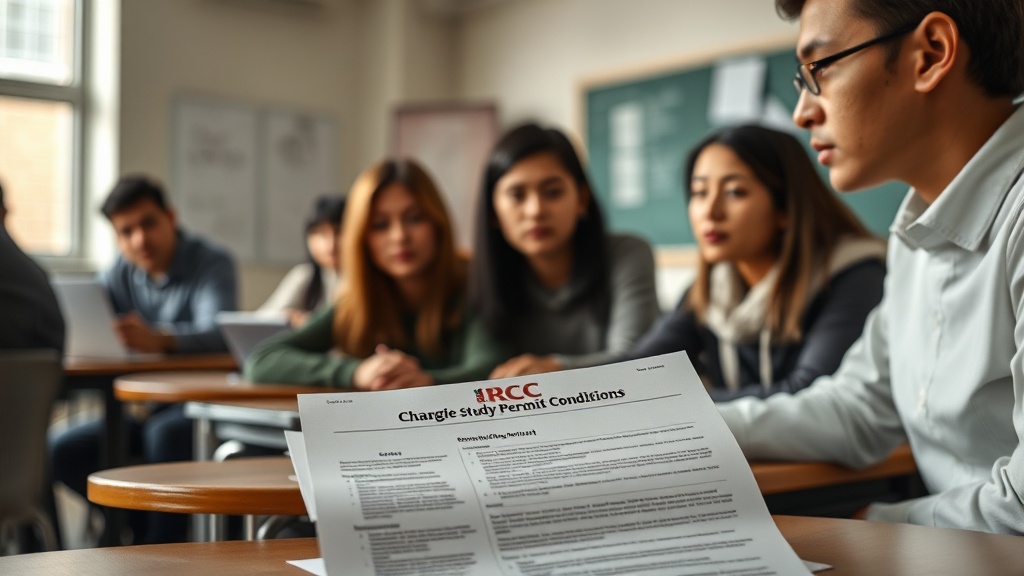
New IRCC Study Permit Enforcement Rules for International Students
The latest enforcement guidelines from IRCC require international students in Canada to apply for new study permits when transferring between different Designated Learning Institutions (DLIs), impacting their permit validity and compliance processes.

Upcoming Increase in Canadian Permanent Residence Application Fees Effective April 2024
On April 30, 2024, Canada will implement new fee structures for permanent residence applications. This routine update reflects an adjustment for inflation and program delivery costs. The increases affect various immigration programs including economic, humanitarian, and family reunification classes. Understanding these changes is vital for applicants planning submissions around this date.

New Restrictions on Post-Graduation Work Permits for Public-Private College Students
The IRCC recently updated its policy regarding post-graduation work permits for international students enrolled in public-private partnership college programs. Effective May 15, 2024, these students will no longer be eligible for post-graduation work permits. The article explores the implications of this change and discusses alternative work permit options for graduates.

Canada's Temporary Policy to Expedite H-1B Work Permit Processing
The IRCC's new temporary public policy aims to streamline the H-1B work permit process in Canada, allowing select family members and previously capped applicants to progress their applications. Additionally, it waives study permit processing fees for minor children of H-1B holders. This decision enhances support for highly skilled immigrants advancing Canada's tech and professional workforce.
Exploring the Surge: June 2026 Express Entry PNP Draw Breaks Records
The June 2026 Express Entry draw by IRCC set new records with 955 PR invitations under the Provincial Nominee Program, the largest since December 2024, and a historic low CRS cutoff of 730. This reflects a significant release of provincial nominations and marks a shift in immigration trends for the year. The article explores these changes and what they indicate for future immigration policy.