
Back to Blog
UPDATES POLICYFebruary 5, 20244 min read

Navigating the New International Student Program Reforms: What They Mean for Study Permit Applicants

The Canadian government has introduced major reforms to the International Student Program effective early 2024. These changes, including a cap on study permit applications and new requirements for obtaining a provincial attestation letter, aim to ensure sustainable program growth. Additionally, reforms to the Post-Graduation Work Permit (PGWP) provide enhanced opportunities for master's degree students. This article provides an in-depth look at these new measures and their implications for international students in Canada.

Navigating the New International Student Program Reforms: What They Mean for Study Permit Applicants
V

Need personalized help? Skip the research and connect directly with a licensed RCIC expert on Verixa. Find your consultant →

Understanding the New International Student Program Reforms: Key Implications for Study Permit Applicants

Direct Answer: Starting early 2024, Canada implements critical reforms to its International Student Program. These changes pertain to application caps, provincial attestation letters, Post-Graduation Work Permit (PGWP) enhancements, and open work permit eligibility for spouses.

Application Cap and Provincial Attestation Letters

As of January 22, 2024, at 8:30 a.m. ET, international students applying for study permits at most post-secondary levels must include a provincial attestation letter (PAL) in their application. This new requirement ensures applicants are accounted for within provincial allocations under a national cap.

RequirementIncluded ApplicantsExemptions
Provincial Attestation Letter (PAL)- Most post-secondary permit applicants <br>- Non-degree graduate programs- Primary and secondary school students <br>- Master's or doctoral students <br>- In-Canada exchange students <br>- Applications received before January 22, 2024

The provinces and territories are tasked to implement plans for issuing PALs by March 31, 2024. Notably, ongoing discussions with Quebec aim to use the certificat d’acceptation du Québec pour études as a substitute for the PAL.

Verixa Intelligence Analysis: These measures are designed to regulate the growing influx of international students and ensure effective resource management across Canadian provinces. By establishing allocation caps, Canada encourages balanced growth and improved student integration into academic and community environments. Note: This analysis is for strategic guidance and does not constitute legal advice.
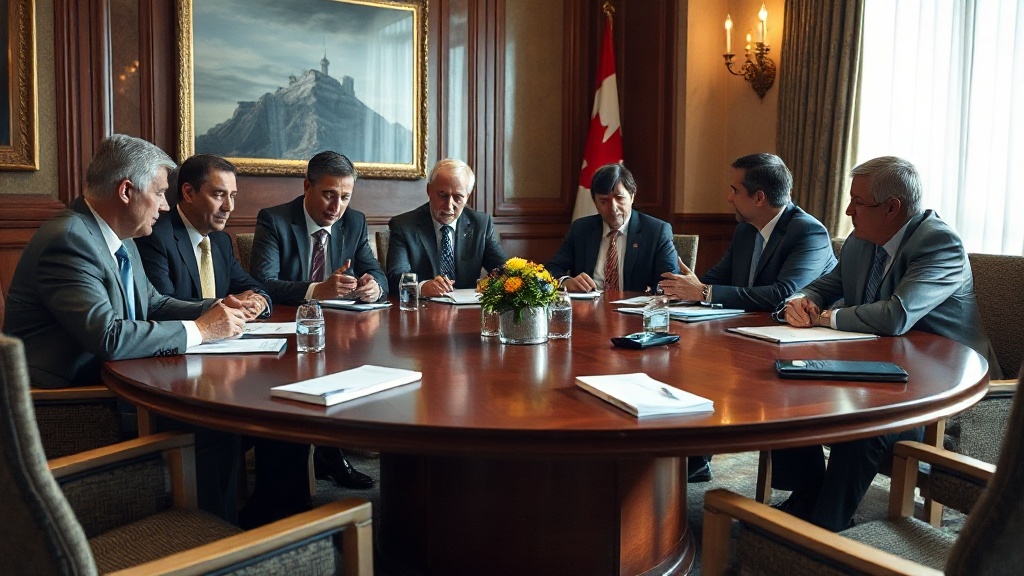

Ministers Deliberate on Sustainable Immigration Levels in Canada
Related Insight

Ministers Deliberate on Sustainable Immigration Levels in Canada

Federal-Provincial-Territorial Immigration Ministers meet to strategize on maintaining sustainable immigration levels, addressing labor shortages, and enhancing Provincial Nominee Programs for regional economic growth while planning the Immigration Levels Plan for 2027-2029.

Continue Reading

Post-Graduation Work Permit Updates for Master's Graduates

Effective February 15, 2024, Canada provides a 3-year PGWP for graduates of master’s programs under two years. This benefits graduates aiming to gain work experience necessary for permanent residence applications. The PGWP duration for other programs will continue to reflect the length of the study program, up to a maximum of three years.

Impacts on Public-Private Partnership College Programs

Concerns about educational quality at private colleges operating under public college licenses have prompted the IRCC to revise PGWP eligibility. Students enrolling in these programs post-reform will lose eligibility for a PGWP. Current students remain unaffected provided they comply with other eligibility criteria.

Photo of diverse international students on a Canadian university campus discussing new reforms, showcasing a dynamic and inclusive study environment.

Changes in Work Permit Eligibility for Spouses

Forthcoming changes restrict open work permits to spouses and common-law partners of graduate-level students only. Current holders extending their permits remain unaffected, but the new rules limit eligibility to spouses of master's, doctorate, and professional degree students going forward.

For tailored advice on navigating these reforms, book a consultation with a Regulated Canadian Immigration Consultant (RCIC) on Verixa today.


This intelligence briefing was automatically generated. The original press release was published on 2024-02-05 by IRCC Notices and can be verified here.

Frequently Asked Questions

What is the new cap on international student permits?

The cap limits new international study permit applications requiring a provincial attestation letter (PAL).

Who needs to provide a provincial attestation letter for a study permit?

Most new post-secondary international students, excluding those under exceptions like primary, secondary, master's, and doctoral students.

How do the PGWP changes affect master's degree holders?

Graduates of master's programs less than two years are eligible for a 3-year PGWP from February 15, 2024.

What exceptions exist for the provincial attestation requirement?

Exempt groups include primary, secondary, and in-Canada students or applications received before January 22, 2024.

What changes have been made for PGWP eligibility for private college students?

New enrollees in public-private partnership programs will not qualify for a PGWP; however, current students remain eligible if they meet other criteria.