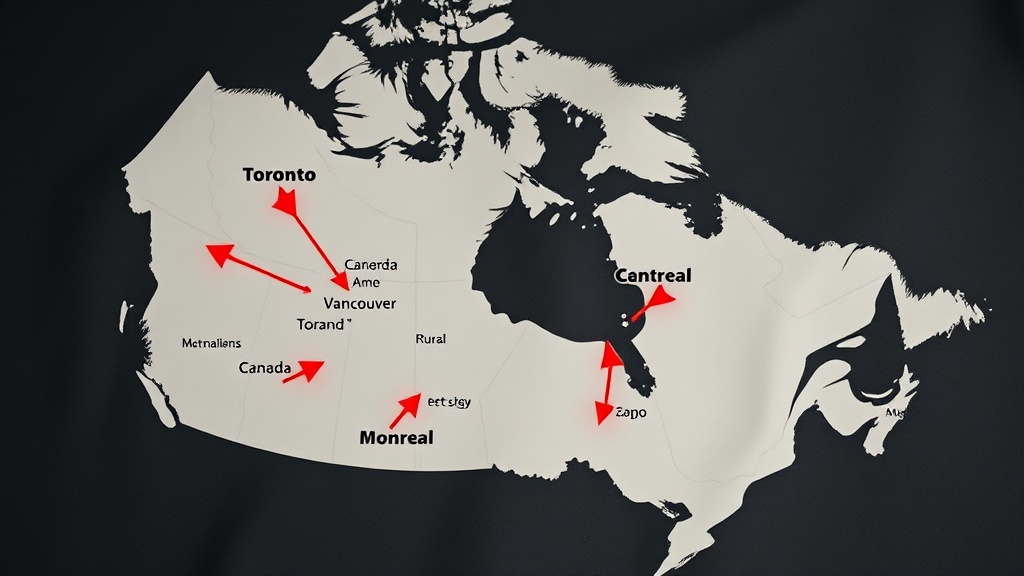
Direct Answer: The new Temporary Resident to Permanent Resident (TR to PR) Pathway excludes major Canadian cities like Toronto, Vancouver, and Montreal, shifting focus to rural communities. This exclusion aims to distribute immigration benefits more equitably across Canada, particularly to smaller towns and rural areas.
The TR to PR pathway is a significant federal initiative launched in March 2026, designed to grant permanent residence to select temporary workers. This measure focuses on benefiting rural communities, offering permanent residency to 33,000 temporary workers over 2026 and 2027.
Immigration Minister Lena Diab announced that all Census Metropolitan Areas (CMAs), including Toronto, Vancouver, and Montreal, are excluded from this pathway. CMAs, by definition, cover urban centers with populations of at least 100,000, where at least half live within the urban core. This decision affects Canada's 41 CMAs, which encompass 84% of the national population per the 2021 census.
| Major Canadian Cities Excluded | Other Affected CMAs |
|---|
| Toronto | Calgary |
| Vancouver | Edmonton |
| Montreal | Halifax |
| Hamilton |
| Ottawa-Gatineau |
| Quebec City |
The exclusion aligns with a broader strategy to reroute immigration away from larger cities towards rural areas. On April 1, 2026, adjustments to the Temporary Foreign Worker Program (TFWP) took effect, permitting rural employers to hire a higher percentage of low-wage foreign workers.
Verixa Intelligence Analysis: This strategic pivot underscores Canada's growing need to invigorate rural economies and tackle urban overcrowding. Redirecting immigration incentives to rural areas can potentially balance out demographic challenges and stimulate local economies. However, urban employers might face challenges filling critical workforce gaps, necessitating innovative recruitment strategies or encouragements for urban workers to relocate. Note: This analysis is for strategic guidance and does not constitute legal advice.
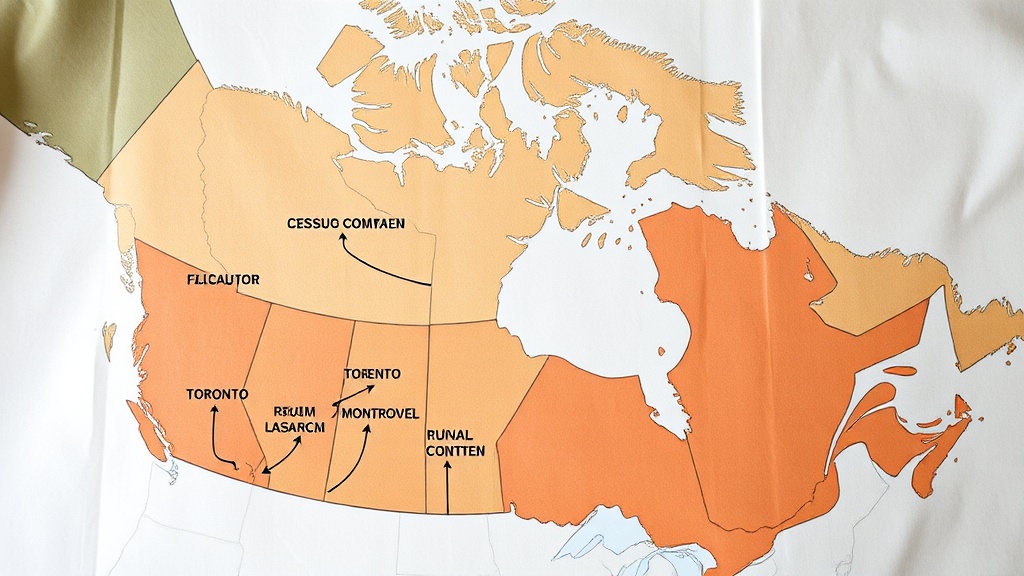
To further support rural immigration, specific provinces have opted into new measures:
- Nova Scotia and Manitoba: Embraced the full array of TFWP adjustments.
- Quebec: Agreed to the retained proportion adjustment.
- Ongoing Participation: The remaining provinces and territories are expected to update their participation status.
Temporary workers aiming for permanent residency through this program should prepare accordingly. Understanding eligibility requirements and identifying potential rural employers will be crucial steps in navigating this new landscape.
Interested in exploring your path to Canadian permanent residency? Consider scheduling a meeting with a Registered Canadian Immigration Consultant (RCIC) on Verixa.
This intelligence briefing was automatically generated. The original press release was published on 2026-04-20 by CIC News and can be verified here.