Back to Blog
UPDATES POLICYMay 4, 20265 min read

Canada's Record PR Invitations in April 2026: A Diverse Path to Permanent Residency

In April 2026, Canada issued an impressive 28,125 invitations for permanent residency. This pivotal move emphasized integrating candidates already studying or working in Canada, particularly targeting French speakers and those in the Canadian Experience Class. This approach reflects Canada's efforts to meet immigration targets and utilize in-country talent pools.

Canada's Record PR Invitations in April 2026: A Diverse Path to Permanent Residency
V

Need personalized help? Skip the research and connect directly with a licensed RCIC expert on Verixa. Find your consultant →

Direct Answer

In April 2026, Canada extended 28,125 invitations for permanent residency, most of which prioritized candidates already residing or working in Canada, particularly French speakers and individuals involved in the Canadian Experience Class. This record-breaking initiative is aligned with Canada's strategy to integrate temporary residents into permanent status, reflecting a nuanced immigration policy shift towards utilizing in-country talent.

Canada's Record PR Invitations in April 2026: A Diverse Path to Permanent Residency

Canada's immigration authorities made a historic move in April 2026 by issuing 28,125 permanent residency invitations across various programs. This unprecedented effort included federal systems, provincial schemes, and regional selections, driving home a strategic shift towards valuing candidates who are already contributing to Canada's socio-economic landscape.

April 2026 PR Invitations At A Glance

The issuance of these invitations spanned federal Express Entry draws, several provincial nominee programs, and distinctive streams like the Quebec permanent selection rounds. Below is a detailed breakdown of the issuance across major immigration programs:

ProgramInvitationsKey Detail
Federal Express Entry15,7977 draws targeting French, CEC, PNP, and trades
Ontario (OINP)7,6285 streams across 10+ targeted draws
Quebec (Arrima)2,5554 streams under the PSTQ
Alberta (AAIP)866+9 draws plus 1 draw of fewer than 10
British Columbia (BC PNP)4841 high-economic-impact draw
Manitoba (MPNP)3402 EOI draws issuing Letters of Advice to Apply (LAAs)
Atlantic Canada4553 provinces: NL, NB, PEI
Total28,125Federal + 6 provincial/territorial systems

Verixa Intelligence Analysis: Canada's record-breaking permanent residency invitations in April 2026 demonstrate a focused policy shift towards integrating French-speaking migrants and temporary residents with Canadian work or study experience into permanent residents. This strategic move leverages the talents of those already in Canada, encouraging temporary residents to transition permanently, thereby enriching Canada's socio-economic fabric without relying heavily on new, overseas arrivals. The prioritization of French-speaking candidates aligns with federal goals to increase francophone presence outside Quebec, ensuring cultural diversity remains a cornerstone of national growth. Note: This analysis is for strategic guidance and does not constitute legal advice.

Express Entry Overview

In an exceptionally active month, the IRCC utilized the Express Entry system to issue 15,797 invitations through seven targeted draws. Notably, 8,000 invitations were directed toward French-language proficiency, reflecting the government's commitment to increasing francophone immigration outside Quebec. The focus on Canadian Experience Class candidates underscores Canada's resolve to transition temporary workers and international graduates into permanent residents.


Government of Canada Invests in Modernizing FCNQ's Storage to Enhance Food Security in Nunavik
Related Insight

Government of Canada Invests in Modernizing FCNQ's Storage to Enhance Food Security in Nunavik

The Government of Canada has completed a significant project to modernize the storage facilities of the Fédération des coopératives du Nouveau Québec (FCNQ), investing close to one million dollars. This initiative enhances food security and access to affordable, fresh food in Nunavik's remote communities. The expanded warehouse in Montréal will improve logistics, reduce costs, and prevent stock shortages.

Continue Reading

Major April Express Entry Draws

DateCategoryInvitationsCRS Cutoff
April 29French-Language Proficiency4,000400
April 28Canadian Experience Class2,000514
April 27Provincial Nominee Program473795
April 15French-Language Proficiency4,000419
April 14Canadian Experience Class2,000515
April 13Provincial Nominee Program324786
April 2Trades Occupations3,000477

French-language proficiency draws saw CRS cutoffs at some of the lowest thresholds, offering a compelling opportunity for francophone immigrants. Meanwhile, the Canadian Experience Class remains competitive, with scores in 507-515 range, reaffirming the program's importance in selecting candidates who already have Canadian work experience.

Visual Insight

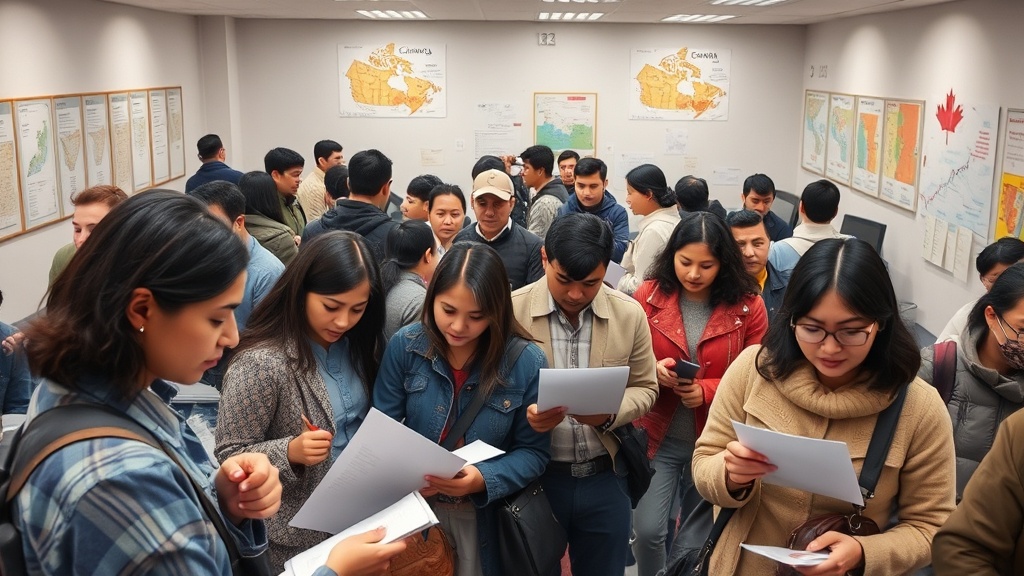
A bustling immigration office in Canada, filled with diverse individuals, some examining documents, with Canadian maps on walls symbolizing immigration pathways. High resolution.

Ontario: The Leading Provincial Issuer

The Ontario Immigrant Nominee Program emerged as the foremost provincial contributor, extending 7,628 invitations across multiple streams. Key highlights include targeted initiatives in healthcare, francophone occupations, and region-specific draws covering diverse sectors such as mining and early childhood education.

Quebec and Alberta: Specialized Focus on Skills

Quebec reinforced its francophone strategy by distributing 2,555 invitations through the Arrima system, with diverse streams catering to highly qualified individuals and those holding regulated professions. Alberta's draws featured significant emphasis on healthcare and technology, aiming to bolster essential service sectors.

Maximize your immigration strategy by consulting with a Regulated Canadian Immigration Consultant (RCIC) at Verixa. Schedule a session today for personalized guidance.

This intelligence briefing was automatically generated. The original press release was published on 2026-05-04 by ImmigrationNewsCanada (unOfficial news) and can be verified here.