Direct Answer: Canada is expediting the transition of temporary residents to permanent residents for workers in rural areas. The initiative targets labor gaps and aims to transition up to 33,000 workers by the end of 2027.
The Government of Canada, through Immigration, Refugees and Citizenship Canada (IRCC), has unveiled details about a new initiative to fast-track permanent residency for workers located in rural areas. Known as the TR to PR pathway, this initiative forms part of a broader strategy to reduce the proportion of temporary residents in Canada to less than 5% by 2027. This one-time program plans to transition up to 33,000 workers during 2026 and 2027.

Targeted Immigration Streams
The initiative selectively accelerates applications from certain immigration streams:
| Immigration Program | Eligibility for Fast-Tracking |
|---|
| Provincial Nominee Program (PNP) | Eligible |
| Atlantic Immigration Program (AIP) | Eligible |
| Rural Community Immigration Pilot (RCIP) | Eligible |
| Francophone Community Immigration Pilot (FCIP) | Eligible |
| Caregiver Pilots | Eligible |
| Agri-Food Pilot | Eligible |
These programs aim to fill labor shortages in various rural sectors, providing streamlined pathways to permanent residency for applicants who meet specific criteria, including residing in smaller communities for at least two years.
Verixa Intelligence Analysis: The TR to PR initiative represents a strategic pivot emphasizing rural economic fortification through skilled immigration. As urban Canadian centers become denser, rural labor demands increase and this initiative addresses these disparities. The policy's emphasis on specific sectors indicates a directed approach, potentially boosting key rural economies significantly. For provincial and municipal stakeholders, this initiative offers an avenue to alleviate workforce shortages, supporting local economies and infrastructure. Note: This analysis is for strategic guidance and does not constitute legal advice.
Implementation and Progress
Between January and February 2026, the government approved 3,600 applications, achieving 18% of its target for that year, with a goal of reaching 20,000 approvals by year's end. The initiative will primarily process applications that are already on file, and applicants do not need to resubmit any information.
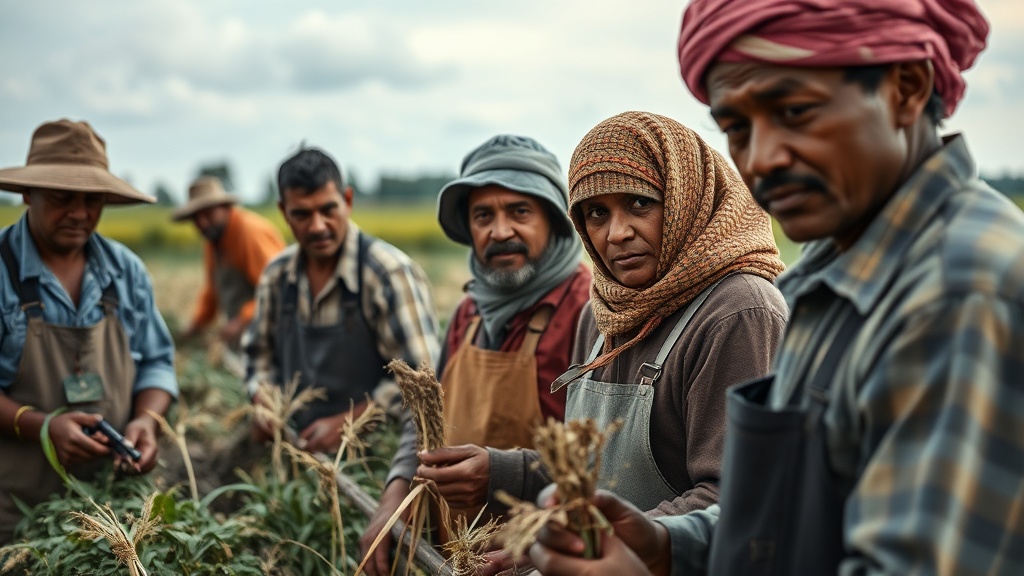
This initiative responds to growing rural labor needs and aims to streamline the retention of foreign workers who are already contributing to these communities. Previous efforts like temporary adjustments under the Temporary Foreign Worker Program (TFWP) allowed rural employers to surpass usual workforce caps, bolstering labor supply in under-resourced areas.
The federal government is clearly pivoting towards policies that strengthen rural Canada by maintaining and expanding a labor force equipped to sustain its diverse sectors. This policy supports broader national growth through targeted rural development, ensuring these regions do not lag behind more populous areas.
Book a consultation with an RCIC on Verixa now to take full advantage of these opportunities.
This intelligence briefing was automatically generated. The original press release was published on 2026-05-04 by CIC News and can be verified here.